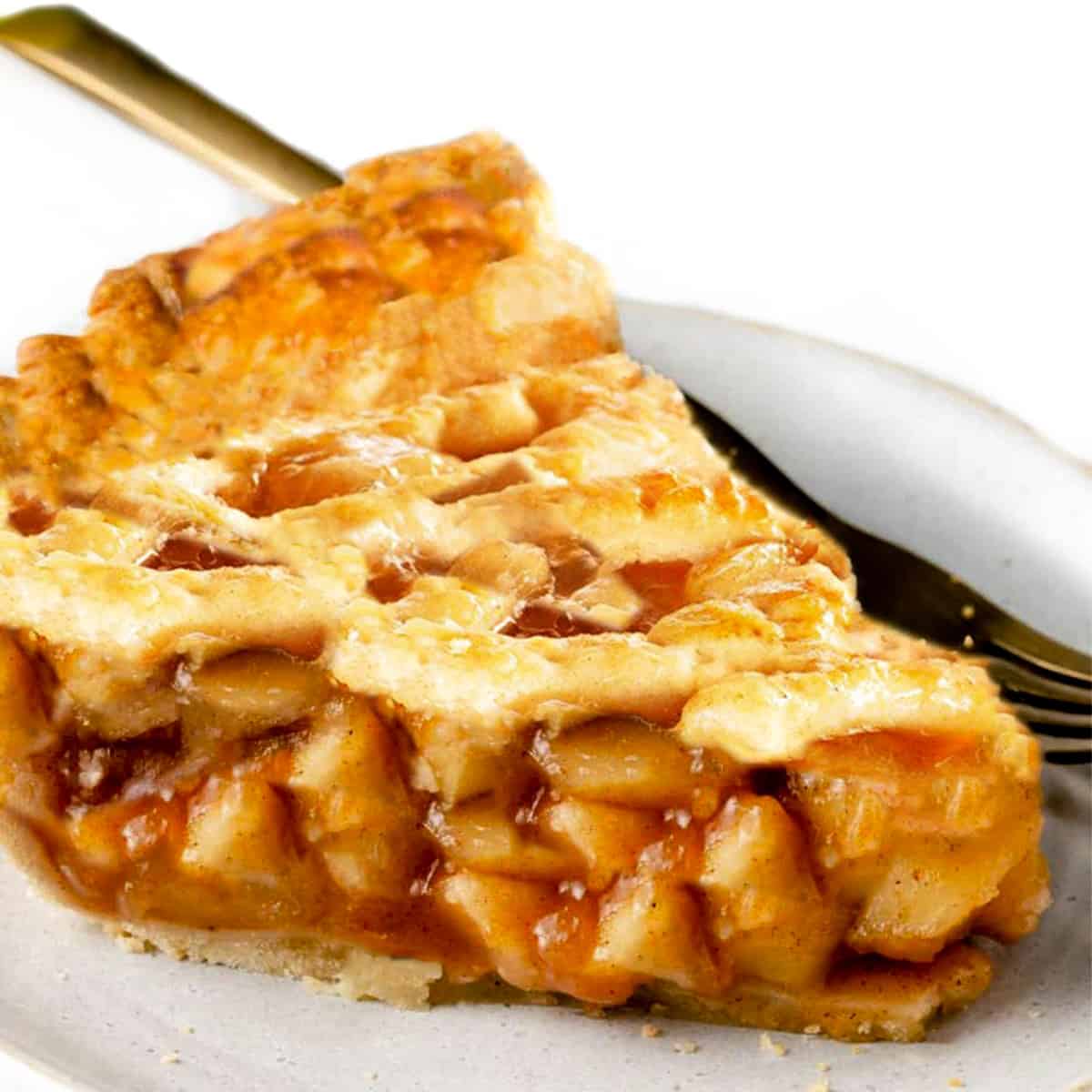
The Heart of the Home: Why Old-Fashioned Apple Spice Pie Endures
There are few aromas as universally comforting and evocative as that of an
old-fashioned apple spice pie baking in the oven. It's more than just a dessert; it's a sensory journey, a warm embrace for the soul, steeped in generations of tradition. Imagine crisp autumn afternoons, kitchen counters dusted with flour, and the anticipation of that first spoonful – a taste of pure nostalgia. This timeless classic embodies cozy comfort food at its finest, transforming simple ingredients into a masterpiece that calls to mind childhood memories and festive family gatherings. Every bite, bursting with tender, juicy apples and a symphony of warm spices nestled in a flaky, buttery crust, reminds us why this particular pie holds such a cherished place in our culinary hearts.
But what truly elevates an apple pie from good to truly unforgettable? It's the thoughtful selection of ingredients, a nuanced blend of spices, and a few clever techniques that ensure every slice is a testament to baking perfection. Let's delve into the secrets behind crafting an
old-fashioned apple spice pie that will leave everyone clamoring for a second slice.
Crafting the Perfect Filling: Apples, Spices & Sweeteners
The soul of any great apple pie lies squarely in its filling. Achieving that perfect balance of sweetness, tartness, and aromatic spice, alongside tender-yet-firm apples, is paramount.
Choosing Your Apples Wisely
The type of apple you choose dramatically impacts the pie's final texture and flavor. For an
old-fashioned apple spice pie that holds its shape and offers a delightful complexity, a blend of varieties is often best.
- Structure & Body: Apples like Mutsu (Crispin), Braeburn, and Honeycrisp offer a good balance of firmness and flavor, holding up well under heat without turning to mush. Mutsu, in particular, contributes a starchiness that helps give the filling body.
- Sweet & Tart Balance: Granny Smith apples are a go-to for their firm texture and bright tartness, preventing the pie from becoming cloyingly sweet. Golden Delicious or Fuji apples can be introduced for a sweeter counterpoint.
- Flavor Dimension: Jonagold and Winesap bring their own unique aromatic notes.
A common and highly recommended combination includes Granny Smith, Golden Delicious, and Mutsu. If you prefer a more tart filling, lean heavier on the Granny Smiths. For a sweeter profile, increase the proportion of Golden Delicious. Always peel, core, and slice your apples evenly to ensure they cook consistently. Aim for slices about 1/4 to 1/2 inch thick.
The Symphony of Spices
The "spice" in
old-fashioned apple spice pie is where much of its comforting warmth comes from. While cinnamon is non-negotiable, a careful blend elevates the flavor profile.
- Cinnamon: The star, offering warmth and sweetness.
- Nutmeg & Allspice: These add depth and a subtle peppery, clove-like complexity.
- Optional Enhancements: A pinch of ground cloves, ginger, or even a hint of cardamom can introduce intriguing new layers to your pie, personalizing its character.
For the freshest, most potent flavor, consider grating whole nutmeg yourself rather than using pre-ground. Always ensure your ground spices aren't stale; if they've been in your pantry for years, it's time for an update!
Sweetening with Depth
While white sugar offers straightforward sweetness, brown sugar truly transforms an apple pie filling.
- Brown Sugar's Magic: Using a combination of light and dark brown sugar (or just one) adds a rich, molasses-like depth and a wonderful caramel note that white sugar simply can't replicate. It also contributes to a slightly thicker, more luxurious sauce.
- Vanilla & Butter: A generous splash of pure vanilla extract and a few pats of unsalted butter melted into the filling add unparalleled richness and aroma, creating that irresistible "caramel-like glaze" in every slice.
- A Pinch of Salt: Don't forget a tiny pinch of salt! It won't make your pie salty but will brilliantly enhance and balance all the sweet and spicy flavors, making them pop.
Mastering the Crust: Flaky Perfection & Troubleshooting
A truly exceptional
old-fashioned apple spice pie demands a crust that is both flaky and sturdy enough to cradle its generous filling. While making pie dough from scratch can seem intimidating, it's a skill worth acquiring, and surprisingly simple with the right approach.
Homemade vs. Store-Bought: Your Choice!
For those who savor the process, a homemade, all-butter pie crust offers an unmatched flakiness and rich flavor. The key lies in using very cold butter cut into small pieces and handling the dough as little as possible to prevent gluten development. If the thought of making pie dough from scratch feels daunting, remember that a good quality store-bought crust is perfectly acceptable. The goal is a delicious pie, and choosing convenience doesn't diminish its charm. For a more detailed guide on creating the perfect base, you might find valuable insights in our article on
Unlock Nostalgia: Best Old-Fashioned Apple Spice Pie Recipe.
Preventing the Dreaded Soggy Bottom
This is perhaps the most common pie-baking challenge, but thankfully, there are clever tricks to overcome it:
- The Oat Barrier: One ingenious tip is to sprinkle a couple of tablespoons of old-fashioned rolled oats (not instant!) directly onto the bottom crust before adding your apple filling. The oats will absorb excess liquid from the fruit as it bakes, creating an invisible barrier that protects your crust from becoming soggy. You won't even know they're there!
- Blind Baking (Pre-Baking): For an extra layer of protection, consider partially blind baking your bottom crust before filling. This sets the dough and creates a barrier against moisture.
- Egg Wash & Sugar: For a beautiful, golden-brown top crust with an extra crunch, brush the top of your pie with an egg wash (one egg yolk mixed with a tablespoon of milk or water) and sprinkle liberally with coarse sugar (like turbinado or demerara). This creates those delightful, crunchy sugar crystals that are as tasty as they are appealing.
For an even deeper dive into this crucial topic, be sure to check out
No More Soggy Bottom: Old-Fashioned Apple Pie Baking Secrets, which is packed with expert advice.
Baking Your Pie to Golden Perfection: Essential Techniques
The baking process is where all your careful preparation comes to fruition. A few simple techniques can guarantee a perfectly cooked filling and a golden-brown, crisp crust.
The Power of a Hot Oven & Proper Placement
To achieve that coveted crisp bottom crust, strategic oven placement is key.
- Preheated Baking Stone or Pan: Place your pie on the lowest rack position, ideally atop a preheated baking stone or a heavy-duty baking sheet. The direct, intense heat from below helps set the bottom crust quickly, ensuring it gets crisp and brown rather than remaining pale and soft. Preheat your oven with the stone or pan inside for at least 30 minutes before baking.
- Initial High Heat: Some bakers start their pies at a higher temperature (e.g., 425°F/220°C) for the first 15-20 minutes, then reduce it to a moderate temperature (e.g., 375°F/190°C) for the remainder of the baking time. This initial blast helps the crust set and brown quickly.
Monitoring & Doneness Cues
Baking times for an
old-fashioned apple spice pie can vary depending on your oven and the thickness of your apples.
- Visual Cues: Your pie is done when the crust is deeply golden brown (not just light brown!), and the filling is visibly bubbling thickly through the vents in the top crust.
- Tender Apples: To ensure the apples are perfectly tender, you can carefully insert a thin, sharp knife through a vent in the top crust; if it slides in easily, the apples are cooked.
- Preventing Over-Browning: If your crust edges start browning too quickly, loosely tent the pie with aluminum foil.
The Importance of Cooling
Patience is a virtue, especially when it comes to pie. While the aroma might be unbearable, letting your apple pie cool completely (or at least for several hours) is crucial. This allows the filling to set properly, preventing a runny mess when you slice it. The flavors also meld and deepen as the pie cools.
Serving & Savoring Your Culinary Masterpiece
Once cooled, your
old-fashioned apple spice pie is ready to be unveiled. Slice into its golden perfection, revealing the tender, spiced apples nestled in their caramel-like sauce. Serve it warm with a scoop of vanilla bean ice cream, a dollop of freshly whipped cream, or simply on its own. It's a dessert that truly shines, a testament to the enduring power of classic flavors and thoughtful preparation.
This
old-fashioned apple spice pie isn't just food; it's an experience. It’s a bridge to cherished memories, a centerpiece for celebrations, and a symbol of home and comfort. By understanding the nuances of ingredient selection, mastering a few key techniques, and adding a touch of personal flair, you can confidently bake a pie that will be talked about long after the last crumb is gone. Happy baking!